How taste shapes what we make, notice and become.
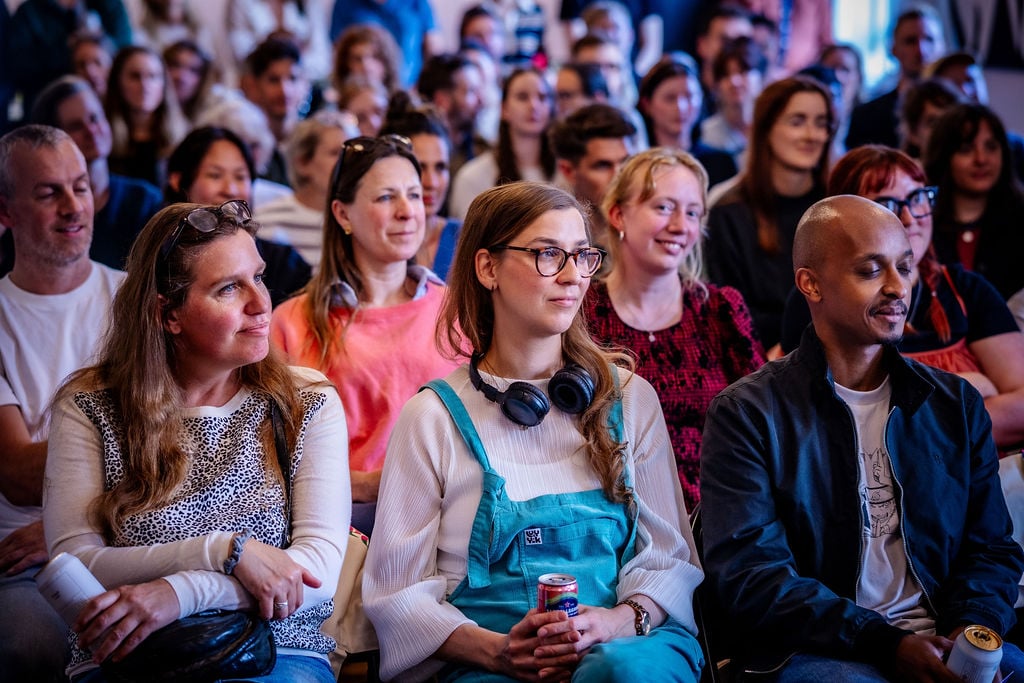
Wow, what a way to mark our tenth edition. Thank you to everyone who came through the doors at Brunswick Square last week. To our incredible speakers and sponsors, this really was our best one yet… and before the doors had even opened, all the signs were there.
A queue snaked around the block. People peering through the door asking to get on the list. Familiar faces greeted new ones. Conversations started on the pavement long before anyone stepped inside.
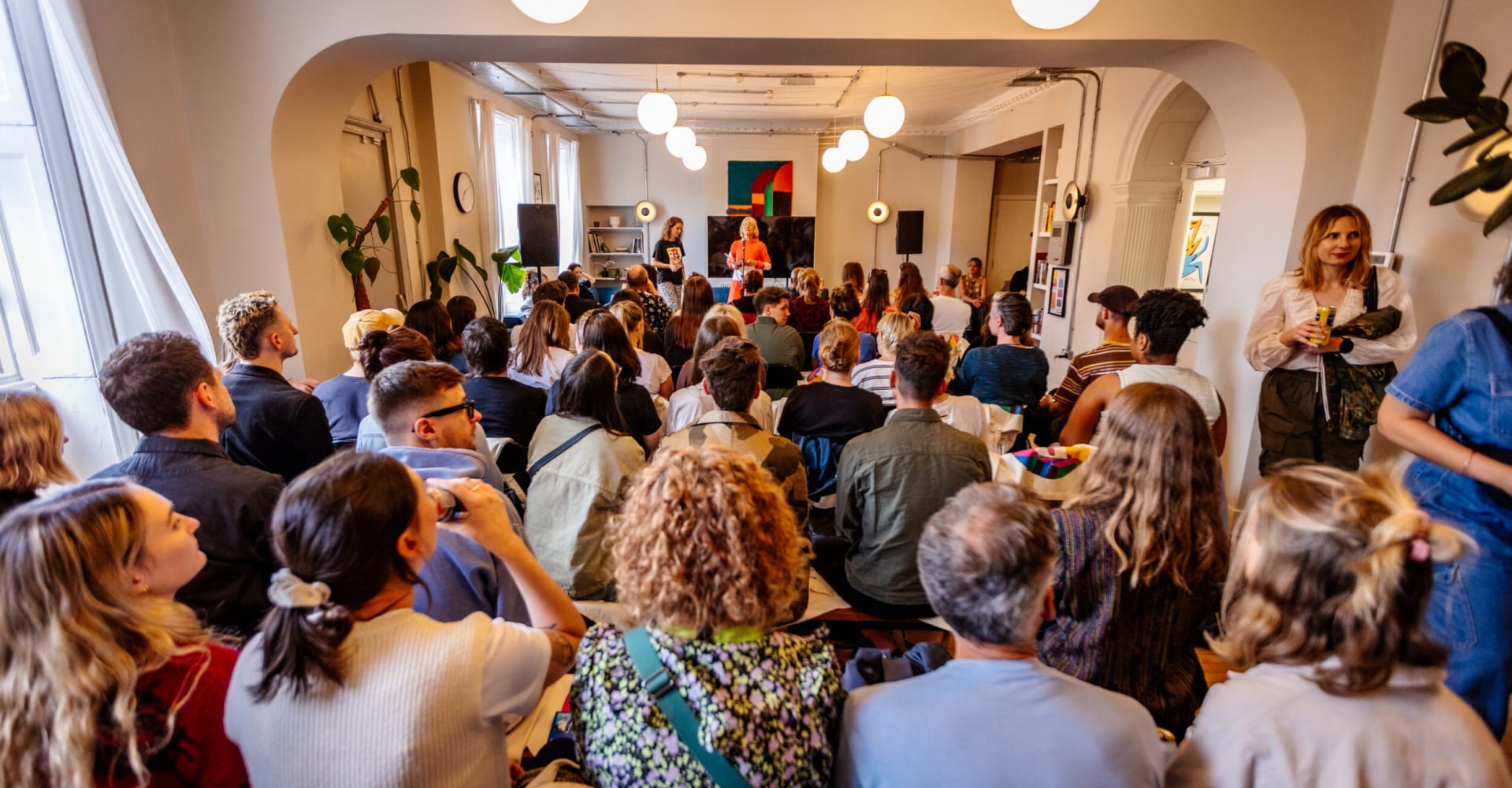
By 6.30pm, our gorgeous space at Brunswick Square was already coming to life. Hot pizza from our friends at Pizzucci disappeared almost as quickly as it arrived, while the first through the door claimed a free, delicious Boardwalk x Left Handed Giant beer. A huge thank you to Boardwalk for sponsoring the evening and helping us create an experience that felt special from the moment guests arrived – the totes went down a treat. Summer beach bag, sorted.
Soon every seat was filled. Each corner humming with conversation. Strangers became collaborators. The energy was infectious.
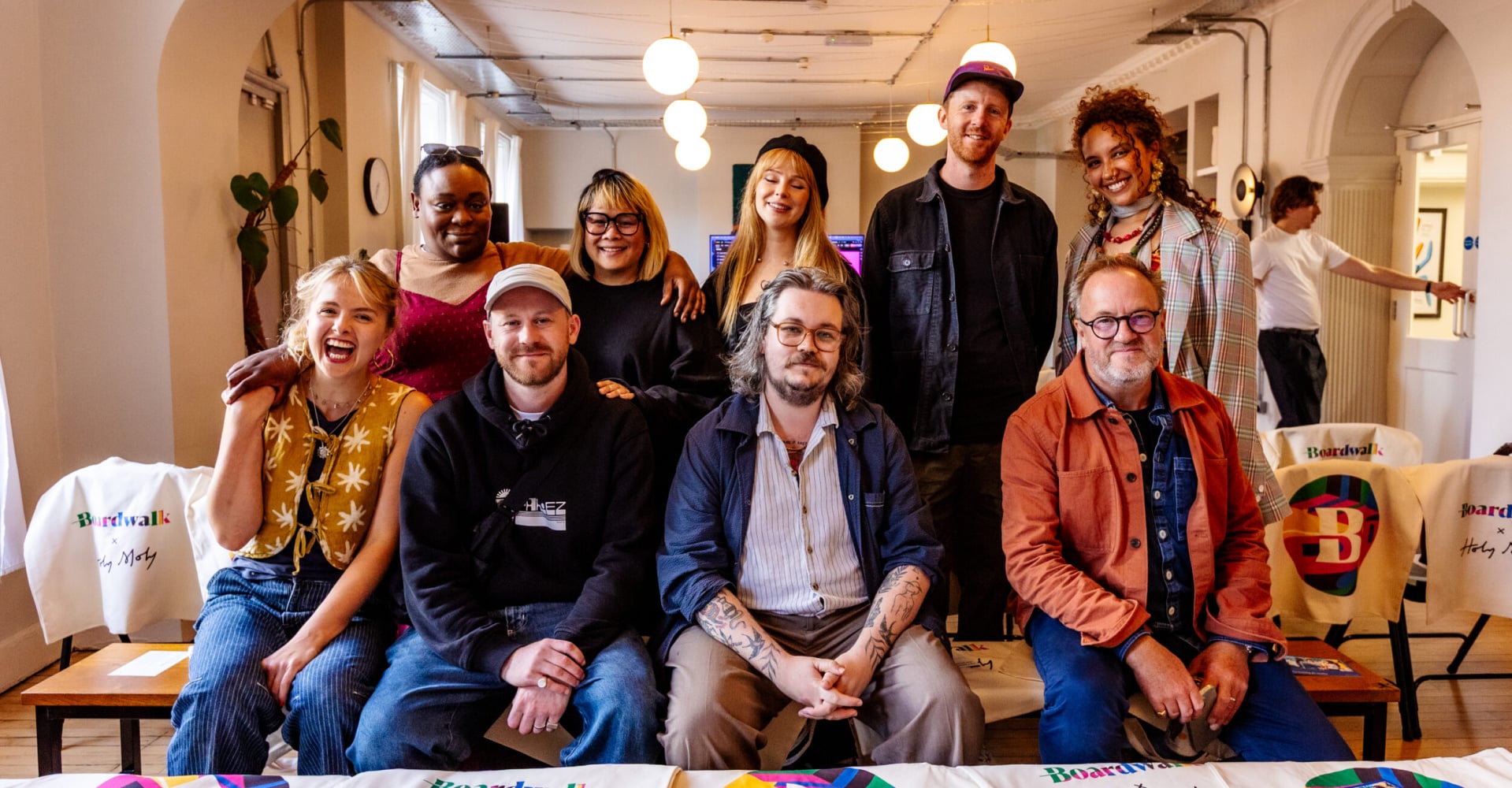
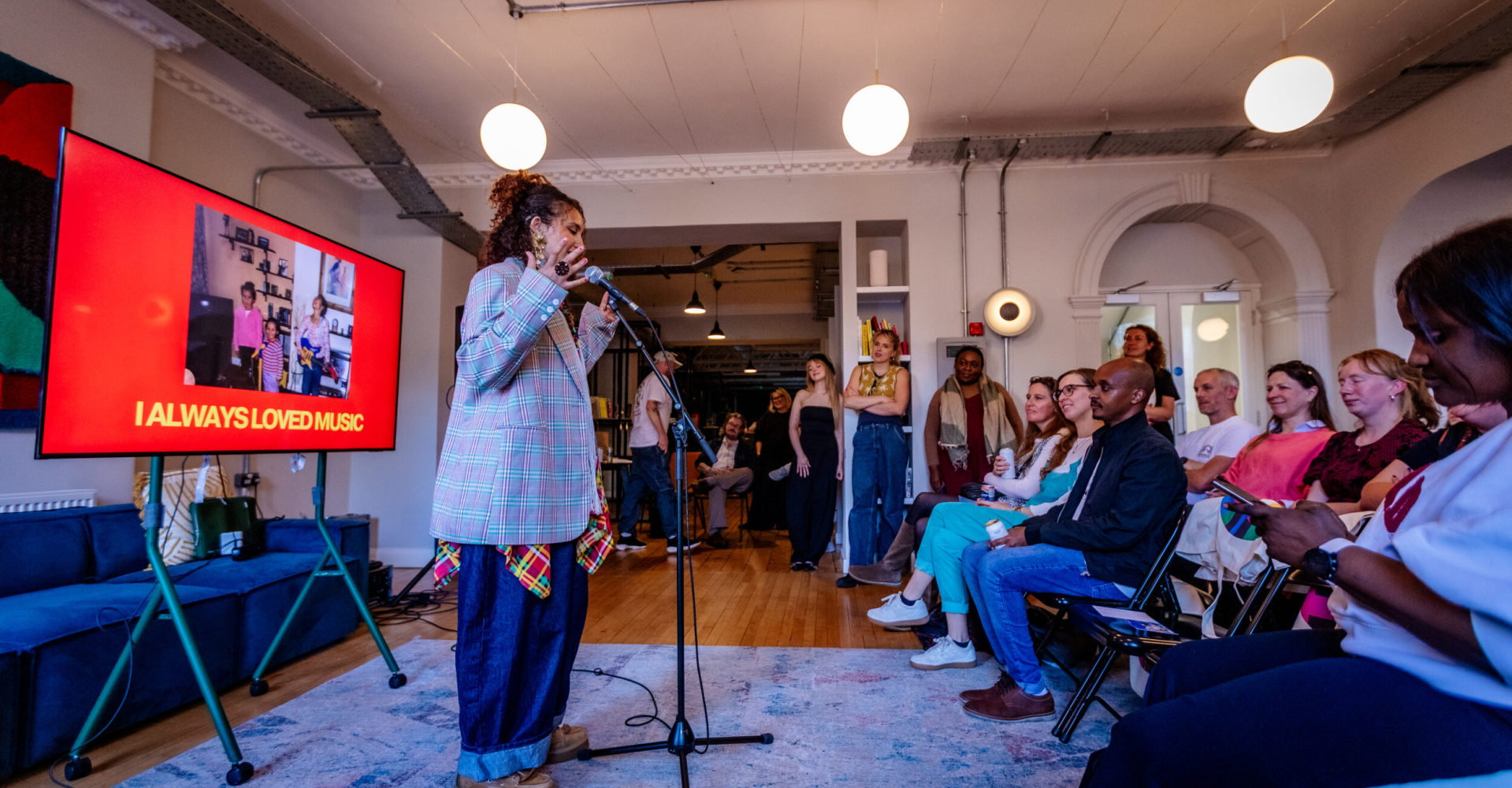
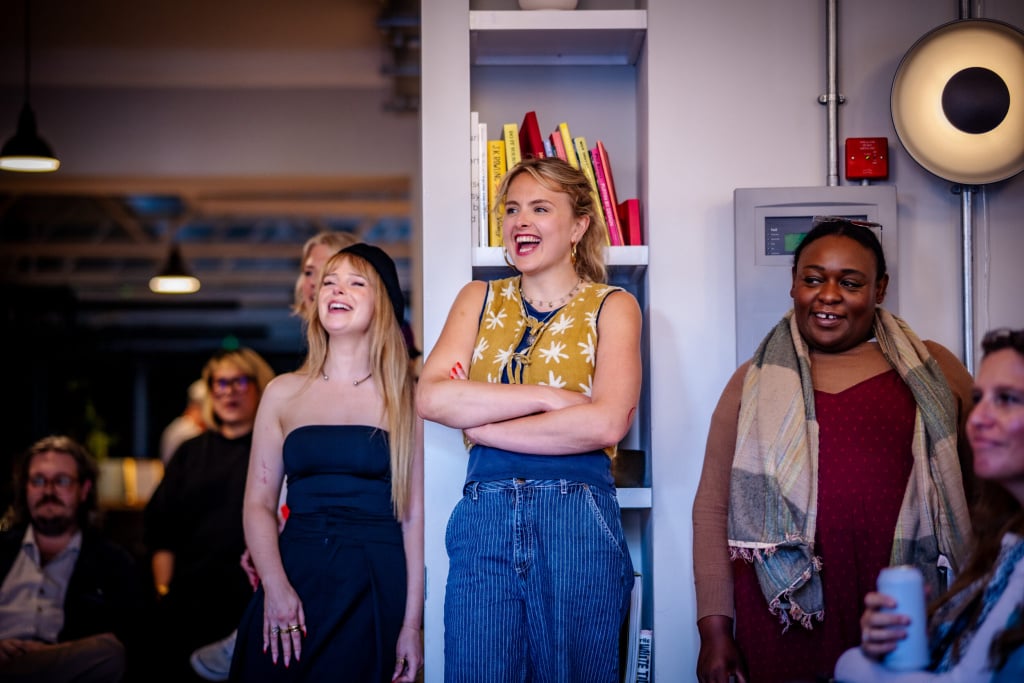
What unfolded over the next few hours was generous, thought-provoking and often deeply personal. Nine creative voices from the local scene shared stories, observations and lessons on the subject of taste, while our audience of curious, engaged minds helped shape the conversation in return.
We left feeling incredibly grateful, and more than a little in awe, of what can happen when the right people gather in a room together.
Here’s some of what stayed with us….
Taste isn’t something we’re born with or suddenly discover. It’s something we build, refine, challenge and evolve throughout our lives.
If there was one overarching takeaway from the evening, it was this: your taste is your creative superpower – but only if you’re willing to pay attention to it.
Your taste is shaped by what you don’t like, as much as what you do.
Penfold
Visual Artist
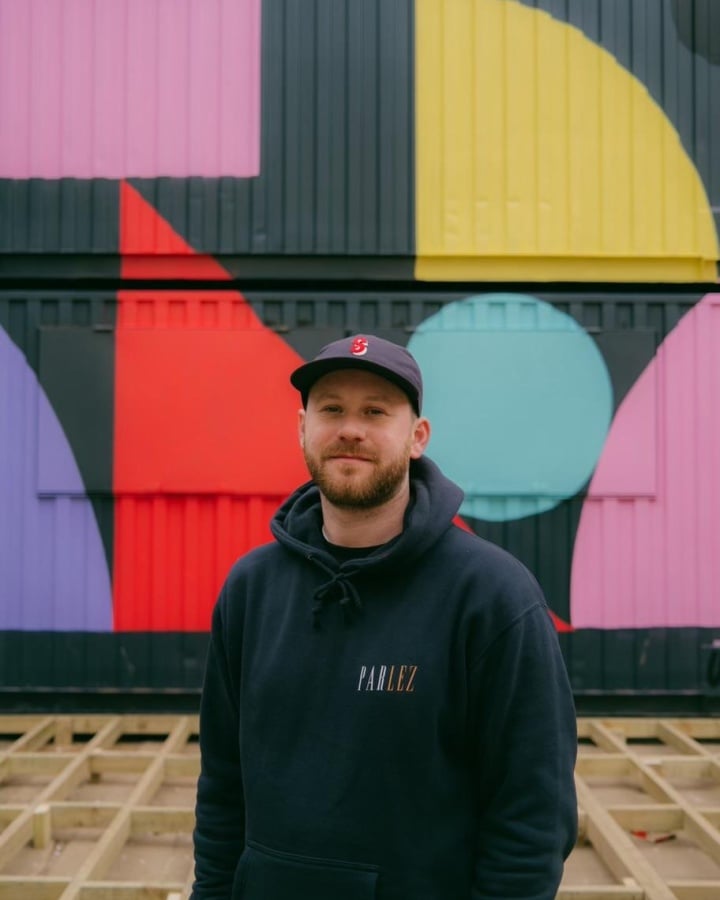
When we think about developing taste, we often focus on collecting inspiration and finding things we love. But Tim Gresham (Penfold) reminded us that our dislikes can be just as valuable.
The things that make us cringe, switch off, feel uncomfortable or leave us cold tell us something important about who we are. They help define our boundaries, values and preferences. Building taste isn’t just about collecting influences, it’s about noticing your reactions and understanding what they reveal.
Pay attention to both. They’re all clues.
Taste is never finished
A recurring theme throughout the evening was that taste isn’t a destination. Helen Liang described taste not as a fixed identity but as an ever-evolving state of doing. It develops through action, experimentation and curiosity. It changes as we change.
Tim Gresham (Penfold) shared a perfect example. Growing up, he hated the strange abstract artwork hanging around his family home. He thought it was weird. Yet years later, he found himself wanting to make weird, abstract work of his own.
Taste isn’t always conscious. Sometimes the things shaping us are quietly working away in the background for years before they reveal themselves.
Learn by doing
There was little talk of waiting for the perfect moment or becoming an overnight expert. Instead, our speakers championed learning through action. Small steps. Consistent practice. Making things regularly.
Illustrator Jess Knights reflected on how taste develops gradually through curiosity, repetition and attention.
The message was clear: creative growth happens through doing, not thinking about doing. Little and often beats waiting for perfect.
Fail. Then fail again.
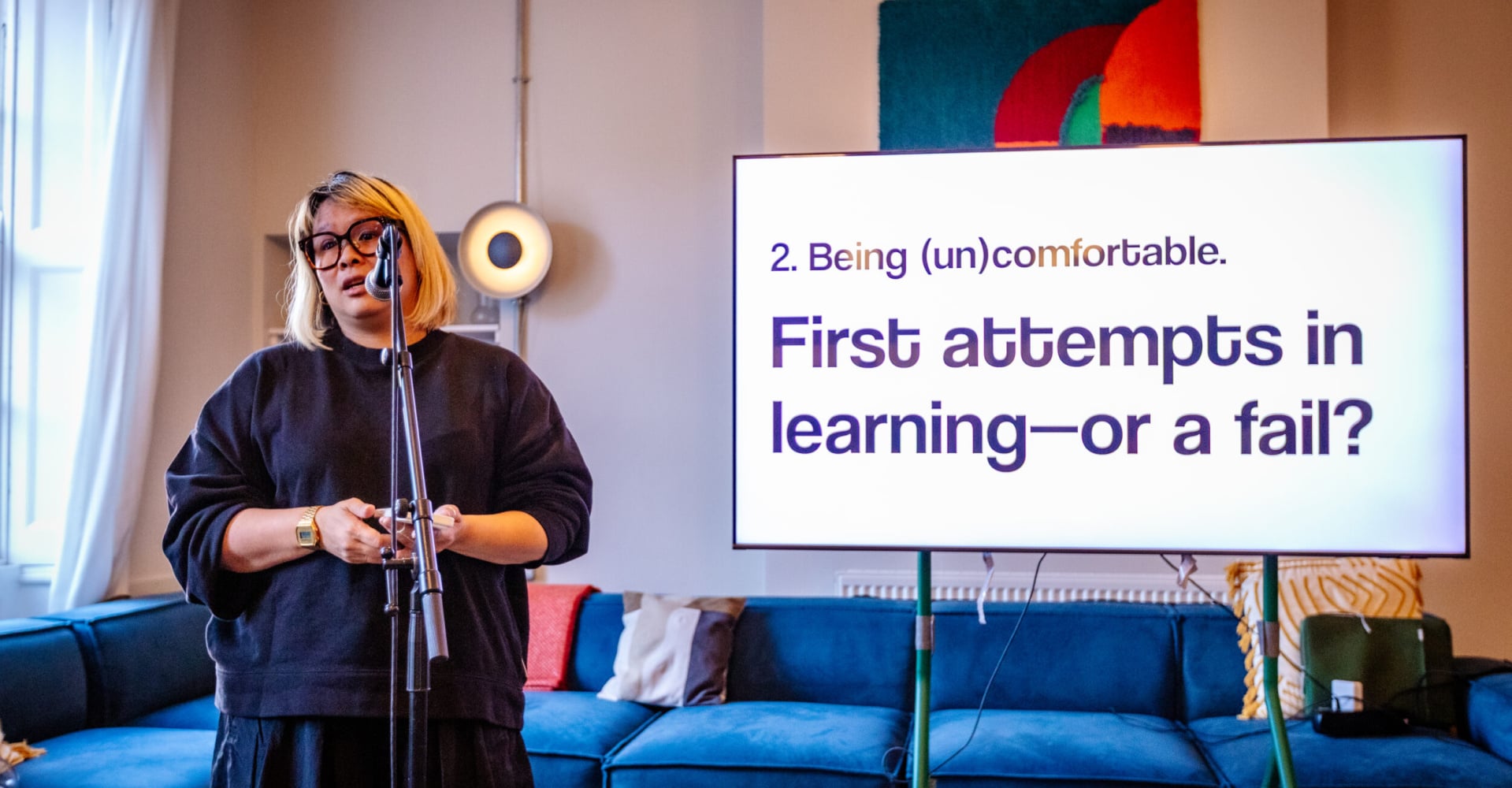
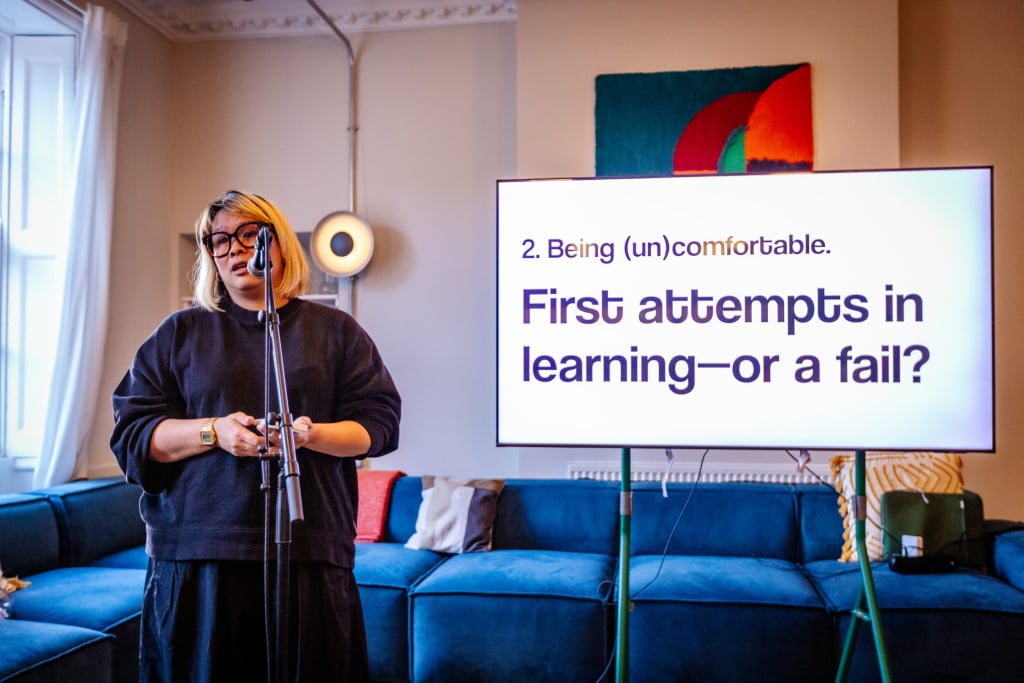
Or as Helen reframed it: FAIL = First Attempts In Learning.
Discomfort appeared throughout the evening as a necessary ingredient of creativity. Growth rarely happens when everything feels easy.
Whether it’s trying a new medium, sharing work before you’re ready or exploring unfamiliar ideas, creativity often requires stepping into uncertainty. We were encouraged to stop seeing failure as evidence that we’re not good enough and start seeing it as evidence that we’re learning.
Stay curious
Many of the talks returned to the importance of curiosity. We were encouraged to look at the world as a child might: seeing everything as a phenomenon, approaching experiences with wonder rather than assumptions. What if we stopped trying to categorise everything immediately? What if we simply paid attention?
TJA touched on a transformation she went through in her early twenties during a set at Boomtown festival. A light-bulb moment on stage where she realised this wasn’t for her anymore, she listened to her intuition and forged a new path for herself, led by curiosity. Exploring new sounds from a spectrum of musical influences, shedding the old, birthing a new.
Curiosity opens doors that certainty keeps closed. It allows us to notice connections, patterns and possibilities that others miss. And often, that’s where original ideas begin.
Play more
Alongside curiosity came another invitation: play. Playfulness isn’t the opposite of serious creative work. It’s often the route into it.
Experimentation, exploration, making without a clear outcome – these are the moments where unexpected discoveries happen.
Creativity loves constraints
Constraints are often viewed as barriers. Limited budgets, limited time, limited resources.
But, instead of asking “what’s stopping me?”, our audience was encouraged us to ask “what becomes possible because of this constraint?”
The most distinctive creative solutions often emerge from limitations. Constraints force us to think differently, find new angles and develop original approaches. Creativity doesn’t survive despite constraints. It often thrives because of them.
One person’s trash is another person’s treasure
Helen shared an anecdote about two pandas (your regular bamboo-eating guy and then the ‘trash panda’ aka raccoon) that perfectly captured the subjectivity of taste.
What one person dismisses, another cherishes. And that’s the point. Taste isn’t about universal approval. It’s about finding and trusting the things that resonate with you.
Fox, COO of Artichoke, referenced a cabinet created in collaboration with artist Grayson Perry, highlighting how deeply personal taste can be. His work isn’t everyone’s cup of tea, but that’s exactly what makes it compelling.
As Fox put it, originality is what matters. Not everyone has to like it.
Building a collage of your life
One of the evening’s most memorable exercises came from Jess Knights, who invited people to think about what they were obsessed with as children.
What did you collect?
What couldn’t you stop thinking about?
What drew your attention again and again?
Jess encouraged us to see our lives as a growing collage made up of ticket stubs, textures, clippings, trinkets, photographs, objects and memories.
Taste isn’t formed in isolation. It’s the accumulation of countless experiences, interests and fascinations layered over time.
So why not go down the rabbit hole, become obsessed with something. Dive deep into a subject matter that interests you, follow curiosity wherever it leads..
Seb Alexander
Director, Photographer & Vidographer
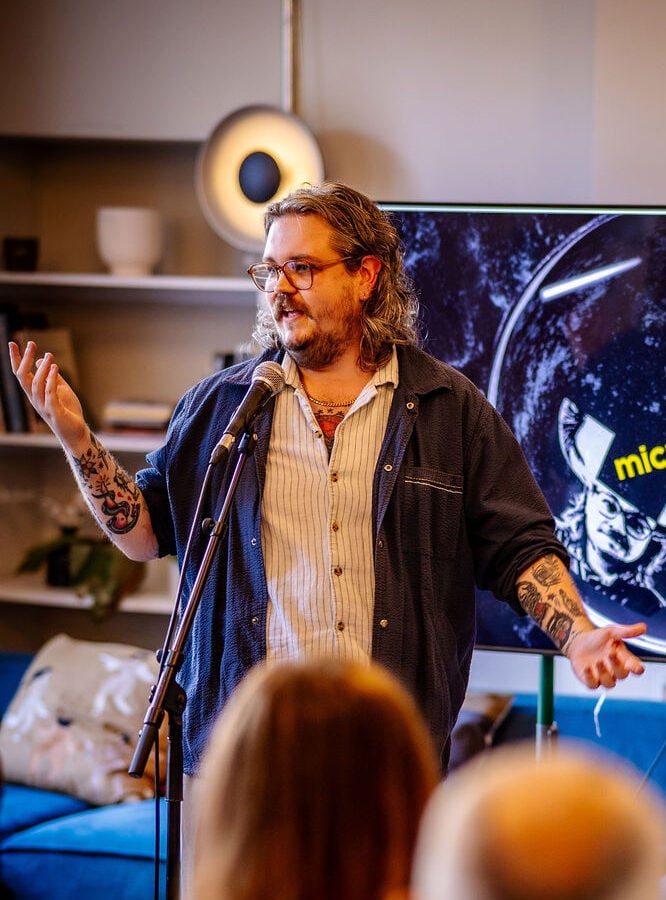
The internet often encourages breadth over depth, but meaningful taste frequently develops through immersion. Spending time with a subject. Exploring its nuances. Understanding its context.
In other words: go down the rabbit hole.
The weirder the better
Sarah O’Connell delivered perhaps the most direct challenge of the evening:
Comfort kills. Get weird or get forgot.
She argued that creativity needs more courage, more whimsy and more unconventional perspectives. More radical accessibility. More queer perspectives. More working-class joy. More magic. More hope.
The work that stands out isn’t usually the safest.
It’s the work brave enough to be itself.
Your story shapes your taste
Rene Katiisa shared a powerful reflection about storytelling and identity. Life rarely follows the script we imagined. Careers change. Plans unravel. New opportunities emerge. But every twist, challenge and experience contributes to our perspective.
Our taste is shaped by our story.
And because nobody else has lived our story, nobody else can offer exactly the same perspective.
Rene also highlighted the importance of creative community. While taste is deeply personal, it doesn’t develop in isolation. It grows through conversation, collaboration and exposure to different ways of seeing the world.
Many minds, means different perspectives and better ideas. Brand aficionado Ross Hawkins shared stories of brand transformations, with a new, fresh voice at the centre. He delved into the development of a Brompton campaign working with ex-pro cyclist and tastemaker David Millar. He ended up being the key ingredient in creating a campaign that stood out from previous releases.
Expand your network and collaborate to keep things fresh.
The evening drew to close on a sentiment that will stay with us far beyond the coming weeks. An important note that taste is your unique human superpower. It’s your way of understanding and showing the world who you are. In this era of change, it’s important now more than ever that we wear our weirdness with honour, because there’s no one like you.
If you missed this epic event, be sure to sign up to our newsletter to be the first to get an invite to the next one.
Or if you are looking for an event space to hire, email our events manager for more info on events@gather-round.co
Interested in becoming a member? Join our community in June 2026 you get your first month free.
Book a tour, we’d love to meet you!
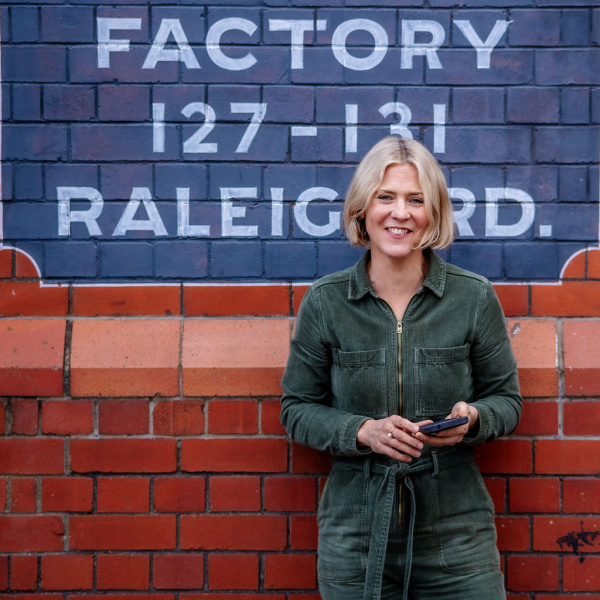
This post was written by Danie at Brunswick Square.